Art
Simone Albers
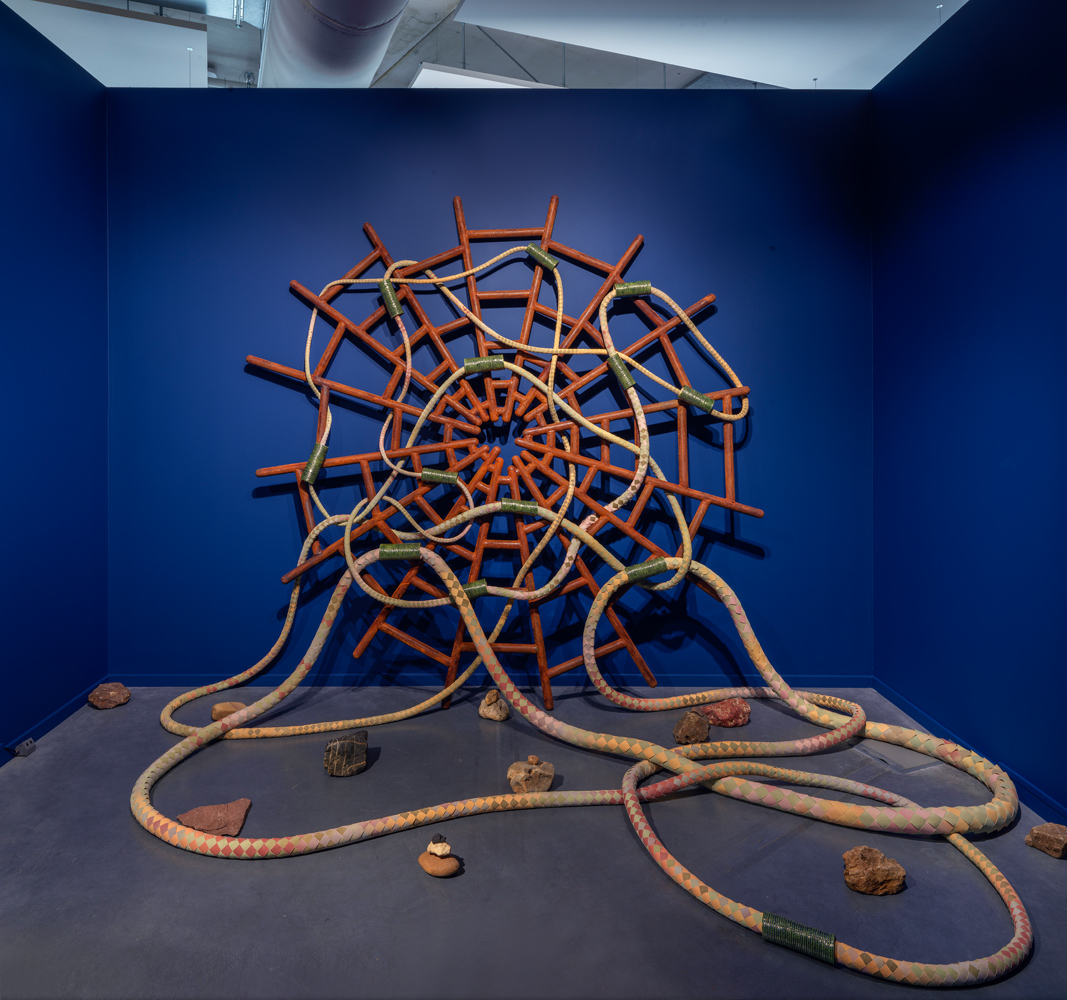
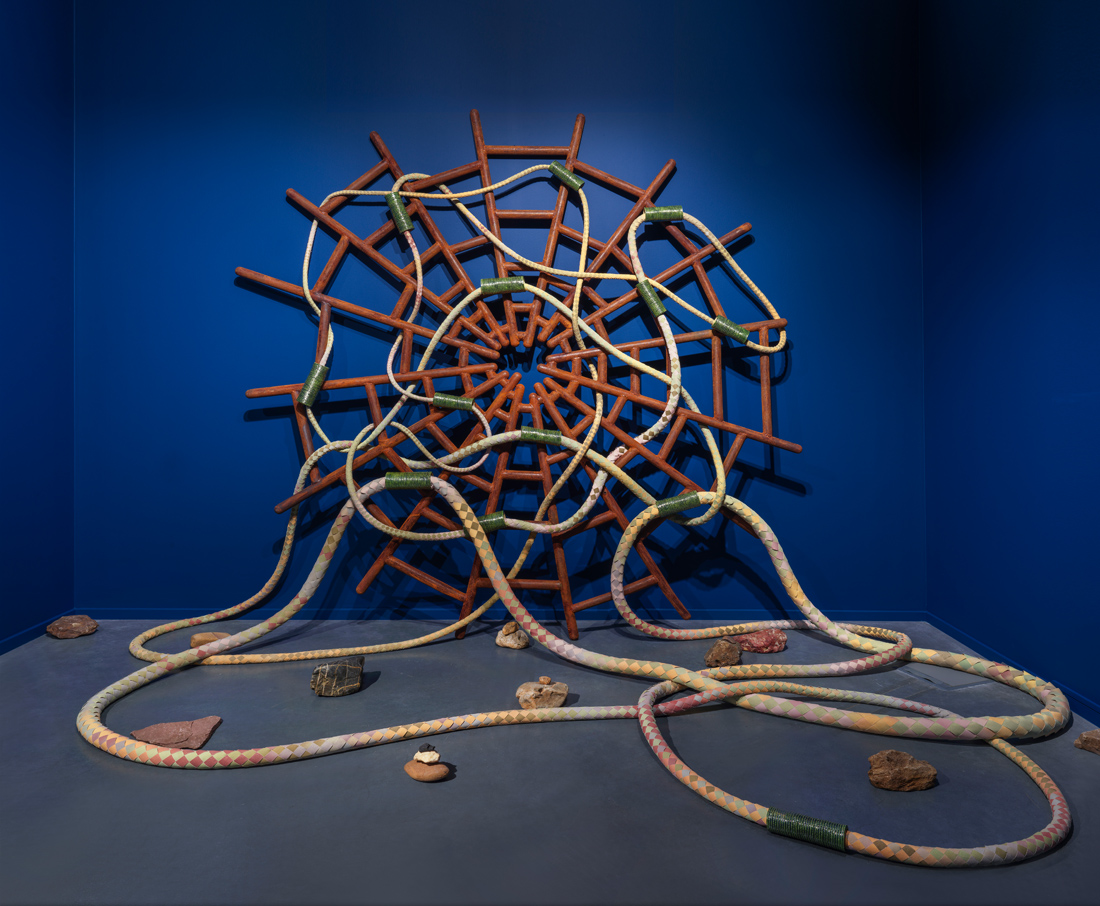
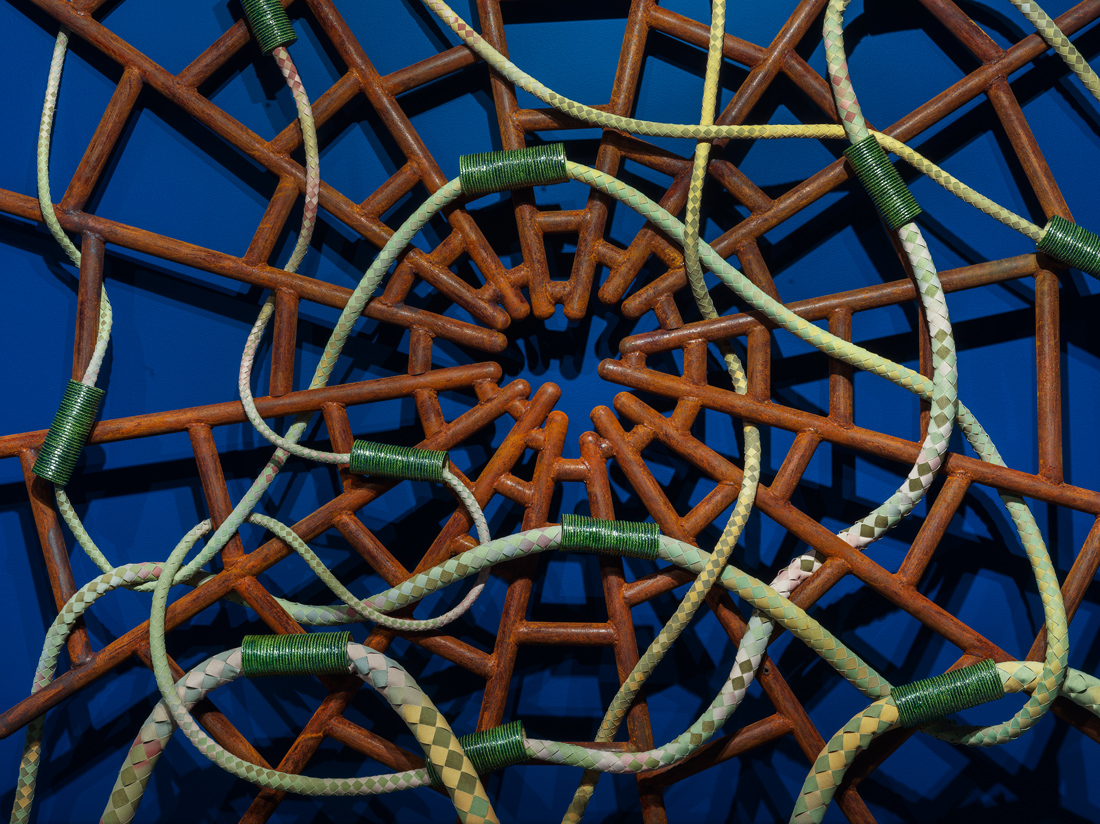
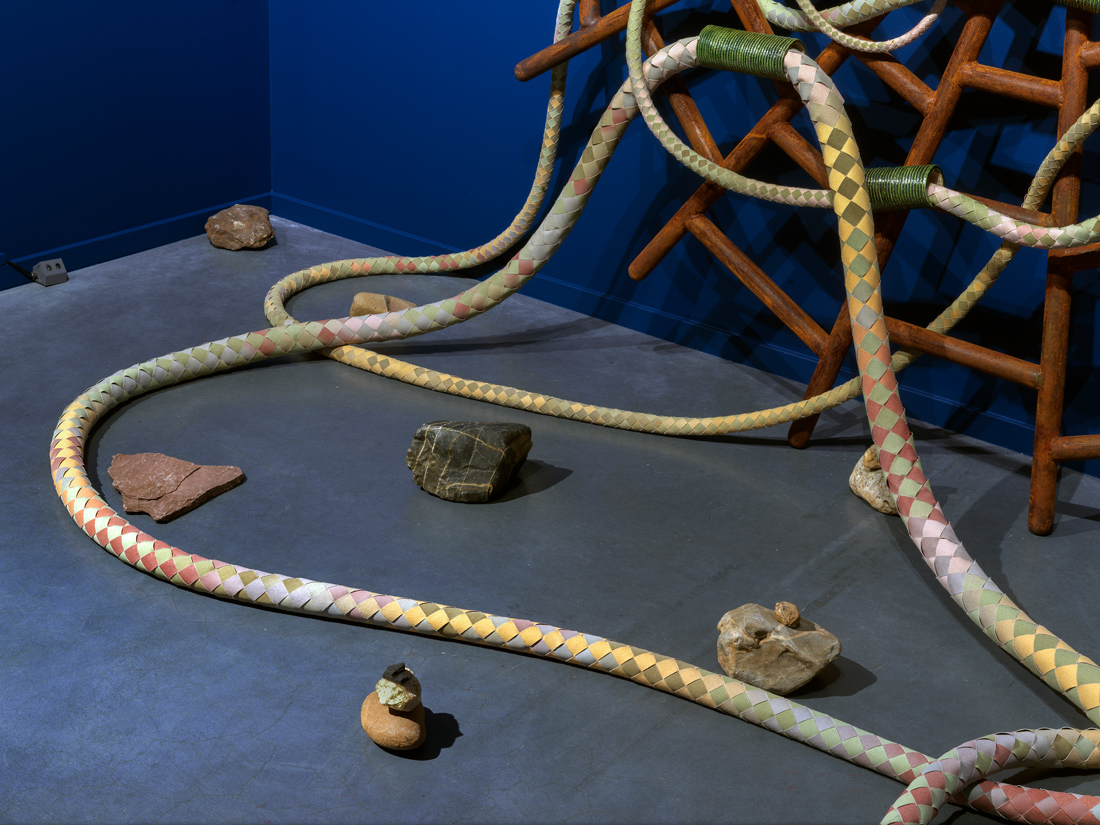
With the installation that is on view, Simone Albers shifts the attention from the promise of an afterlife in religion to the significance of life in the present. In Cycles and Webs she transforms the linear structure of the well-known board game Snakes and Ladders into a cyclical form, emphasizing interconnectedness and interdependence in our existence.
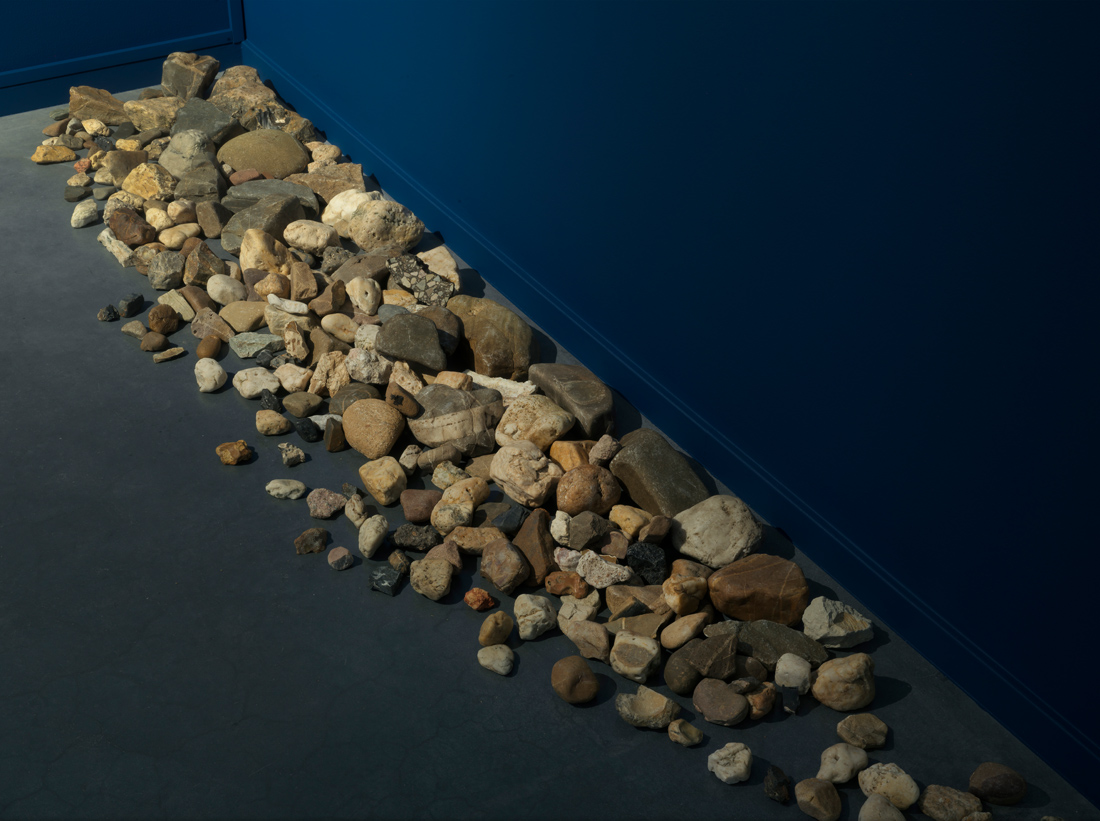
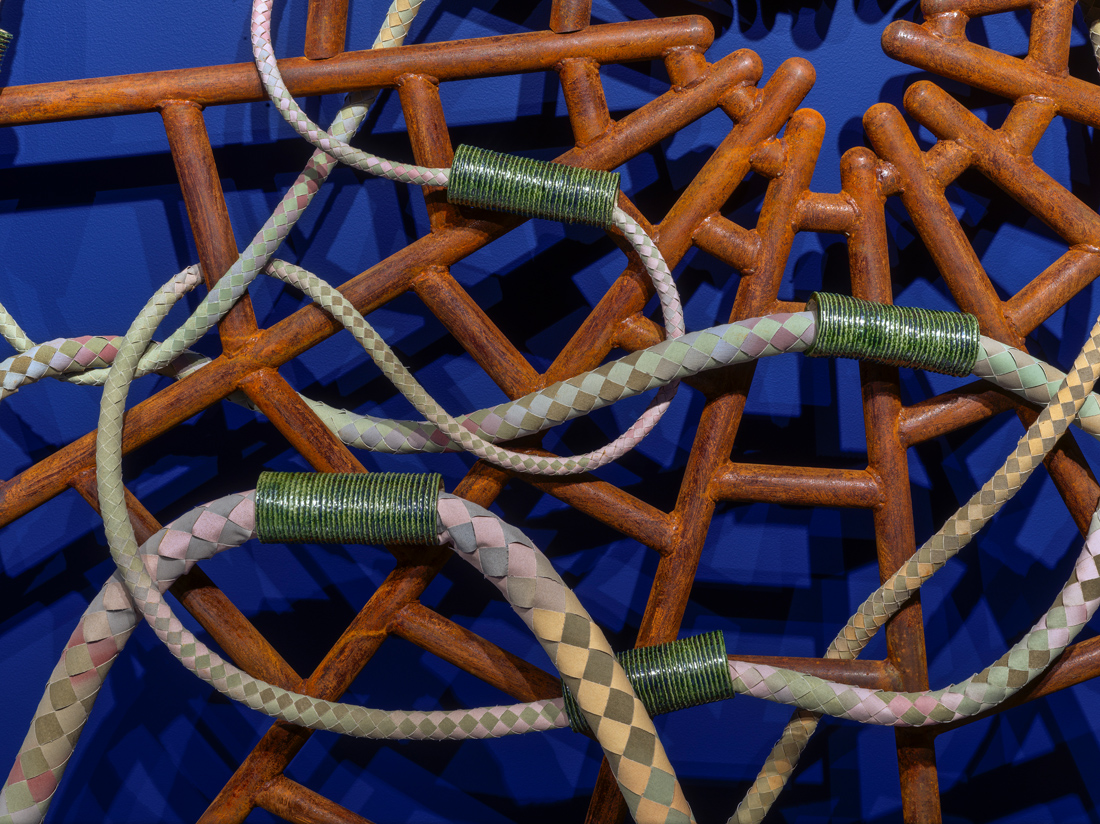
"Snakes and Ladders is a game originating from India, which was adopted by British colonialism and in the West transformed into a manifestation of good versus evil, where much of its original nuances disappeared. Through climbing the ladders, the game is vertical and linear, with the goal of moving upward. In Albers’ version, instead, the ladders are placed in a circle, which creates a rhizomatic, non-hierarchical web of connections. In this web, Albers’ snakes bite their own tails, a shape also known as an Ouroboros. The work breaks free of the linear character – essence – of the game, and replaces it with the more cyclical forms of self-reflection, introspection, and infinity – existence. This way, Albers rejects the idea of an afterlife, where the focus lies on a next life, on something beyond, and the work calls for an appreciation of Earth’s here and now. The installation also provides the possibility to offer a pebble, a small gesture of earthly devotion. Here, the sacred and the profane are not separated from each other. They exist on the same plane, and are eternally in conversation with each other, biting each other’s tails. There is a mystical geometry to be found in the figure of the ladder, for example in musical scales (‘toonladders,’ or tonal ladders, in Dutch), and their mathematical leaps from note to note. A major chord’s mirror image is always a minor chord. In a sense, they eternally refer to each other, which is a cyclical act. The same could be true for the sacred and the profane, or for heaven and hell."
From The Freedom of Myth by Jasmijn T.E. Mol