Art
Marcos Kueh & Ritvik Khushu
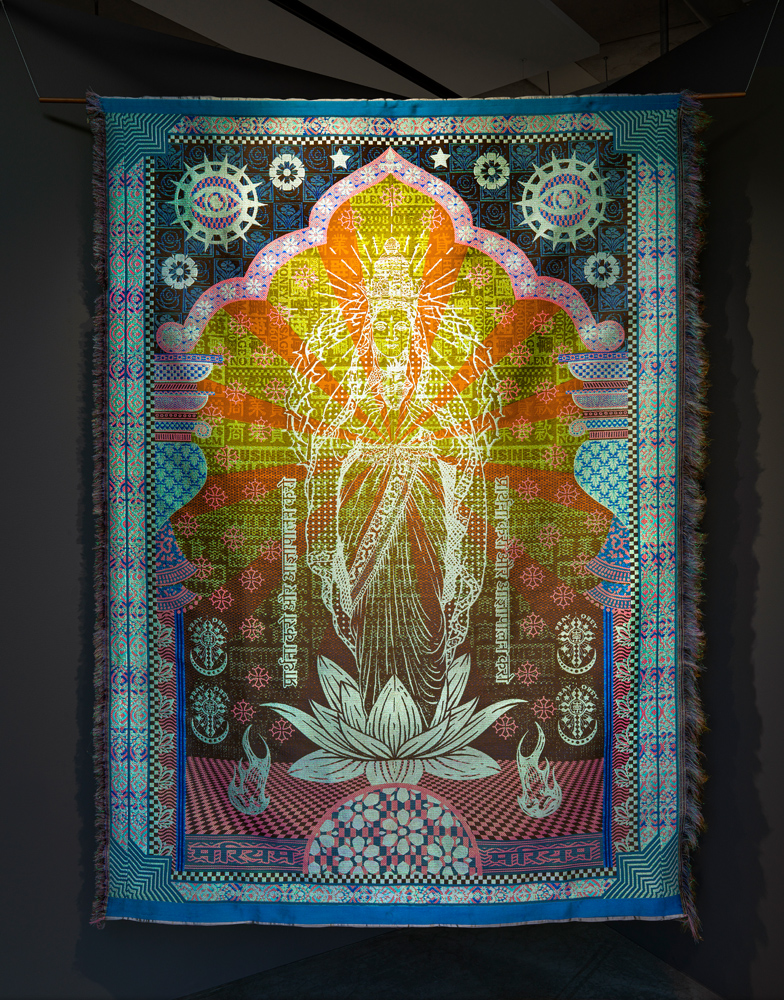
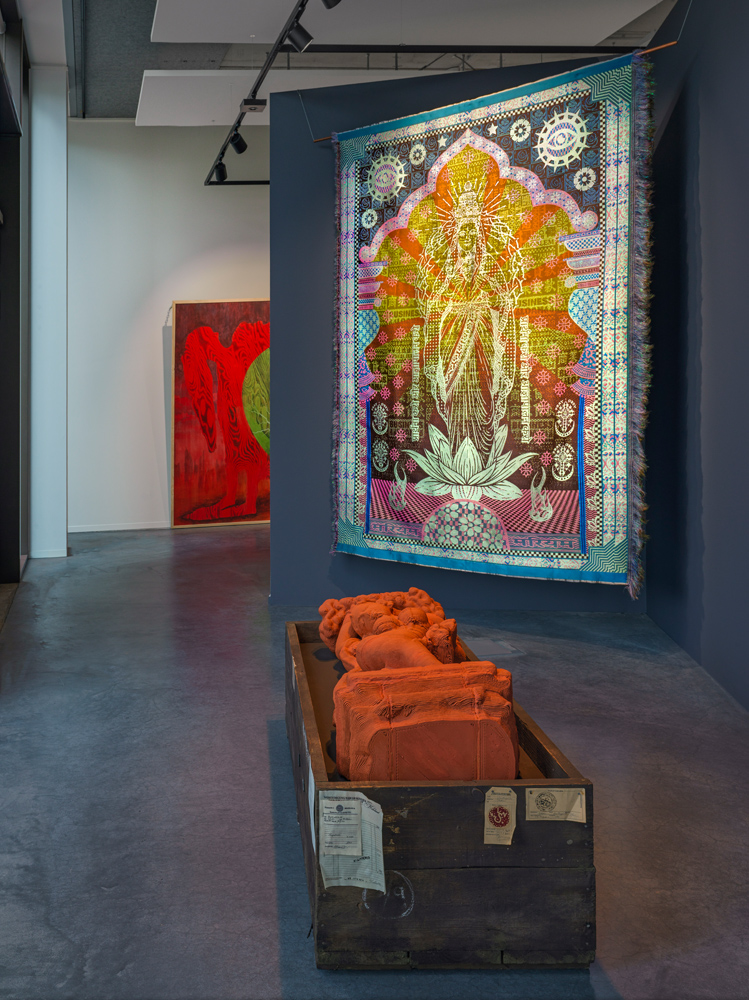
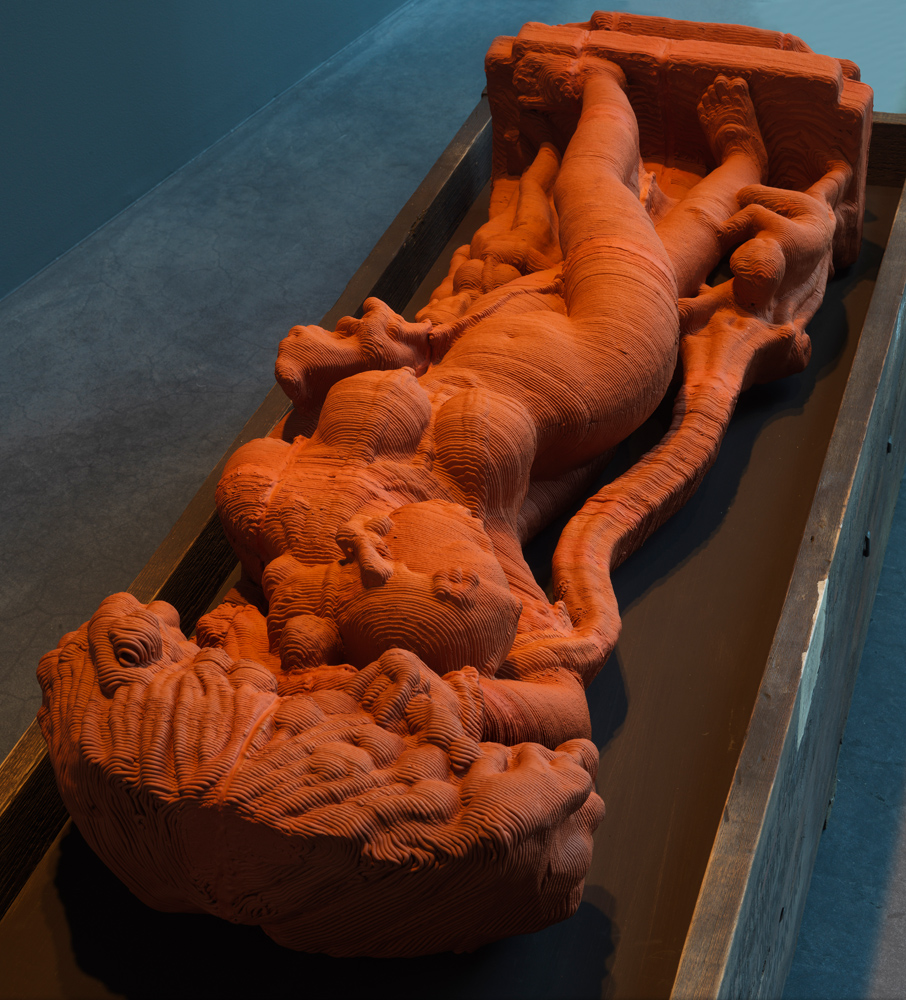
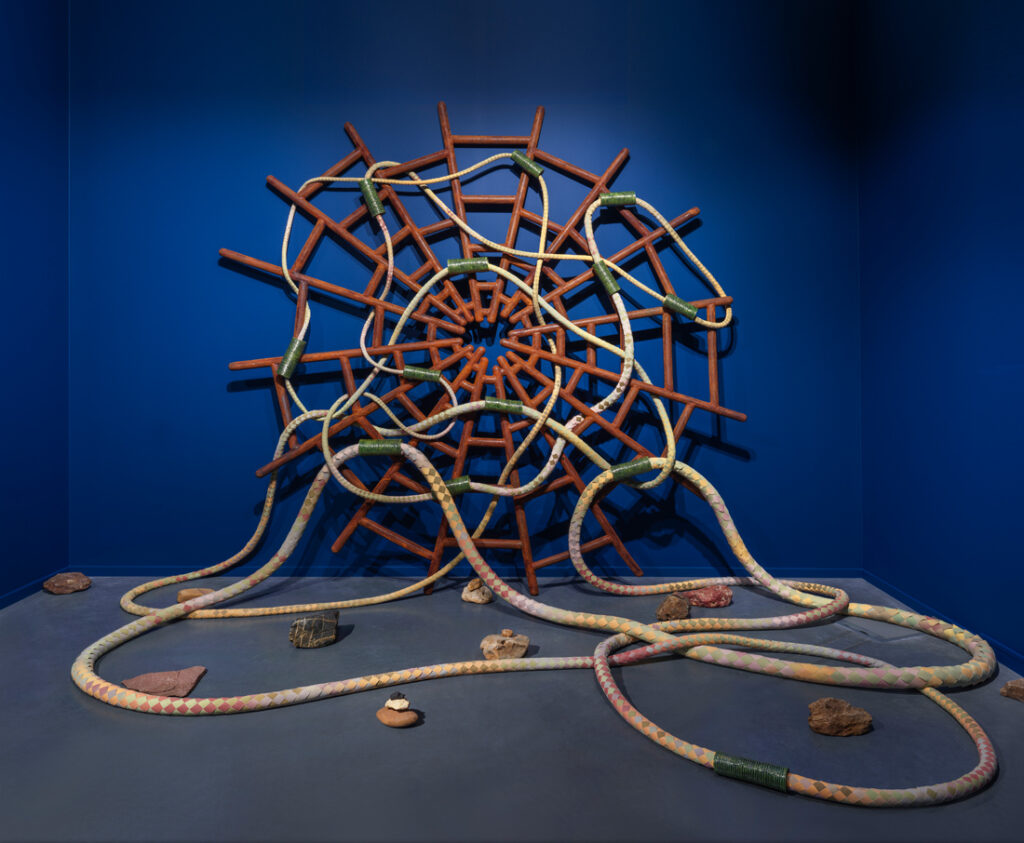
The installation by Ritvik Khushu and Marcos Kueh reflects on the arrival of Christianity and colonialism in India. Heavenly Bodies , reveals how multiple religious, colonial, and social systems intersect and affect the ways in which Indian deities and contemporary women are perceived.
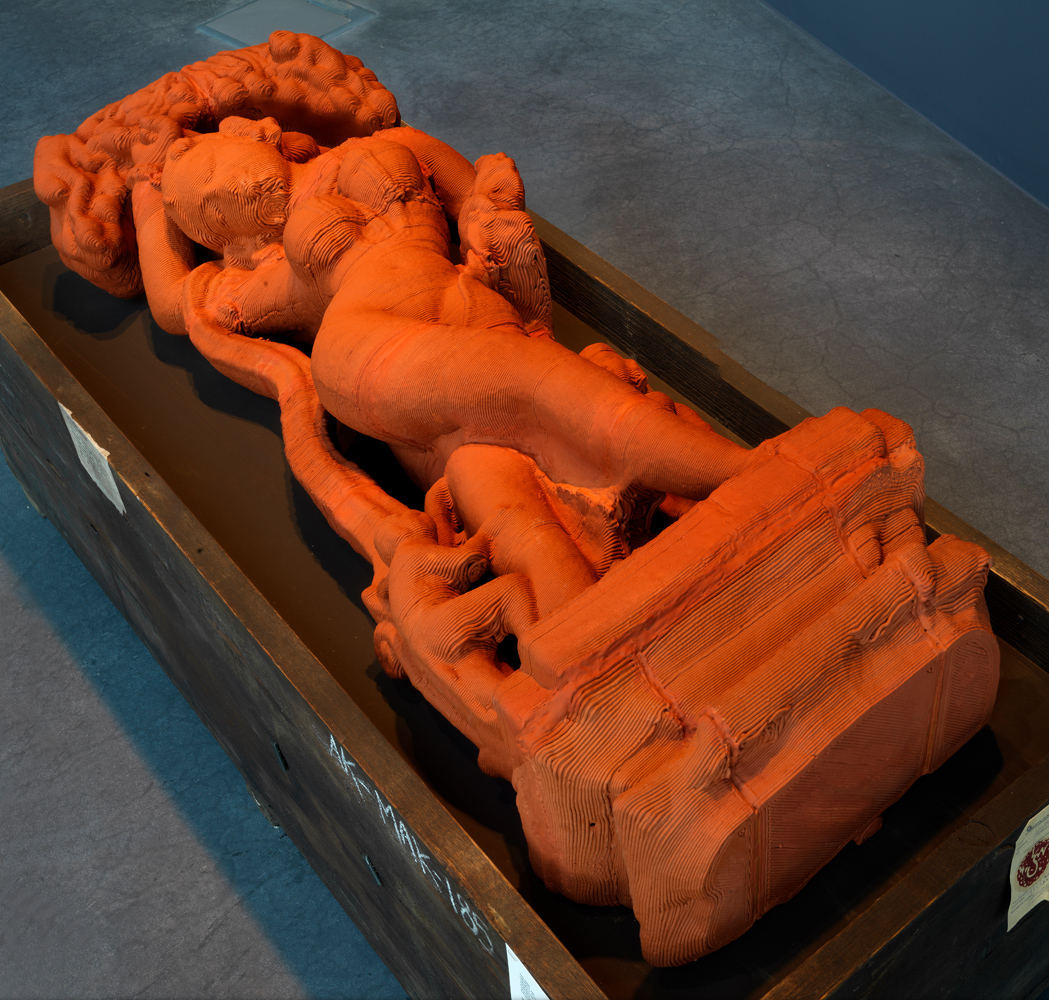
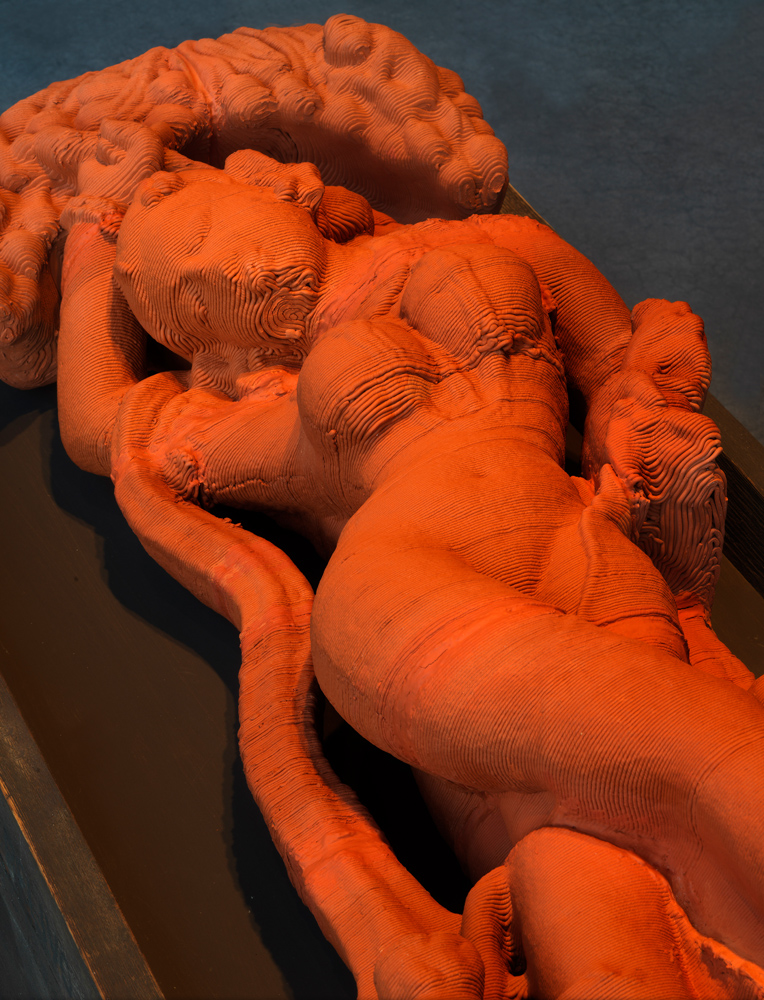
"Apsaras are demigoddesses. They oversee domains such as art, literature, dance, and aesthetics, and the art of seduction in particular. Khushu’s 3D-printed sculpture is a replica of
a sandstone Apsara that was displaced and taken from the Khajuraho temple in India, and is currently housed in the Rijksmuseum in Amsterdam. The work is part of an ongoing research project by Khushu which extends to the lives of Devadasi women, who were originally thought to be descendants from the Apsara and were revered as such. Over time, predominantly through colonial and postcolonial reform, Devadasi women came to be regarded as ‘prostitutes,’ and their practices were reframed as ‘temple harlotry.’ Their holy status, and thus their heritage, were largely lost. This only scratches the surface of a long and complex history of stigmatization and marginalization of Devadasi communities – literally translating to ‘servants of the gods’ – of whom many now belong to lower castes, with some being regarded untouchable. With the project, Khushu draws attention to not only the displacement of colonial objects, but also to the material and long-lasting effects of colonial and other ideological forces on real, lived experiences in India today. The presence of Christianity becomes visible in the installation through the textile work by Marcos Kueh. With this work, Kueh comments on how in many Asian countries the image of the Virgin Mary as a white woman is considered universal, probably because this image could easily be reproduced and she was simply free of copyright. Mary towers above her, speaking her final blessing over the Apsara, while it is precisely she who condemned the Apsara to her death.
"From The Freedom of Myth by Jasmijn T.E. Mol